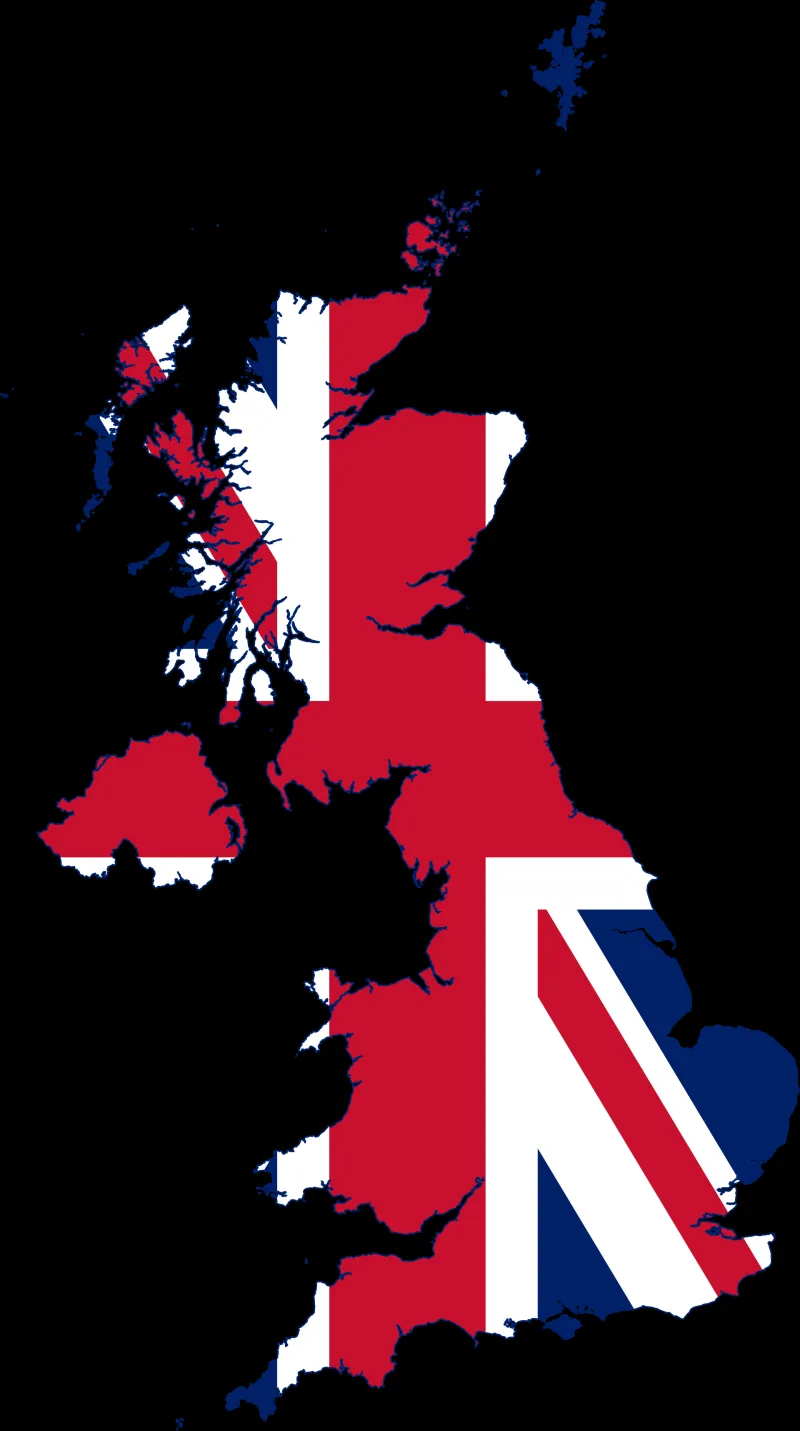
The Devolved Detail: Designing One UK Product for Four Nations
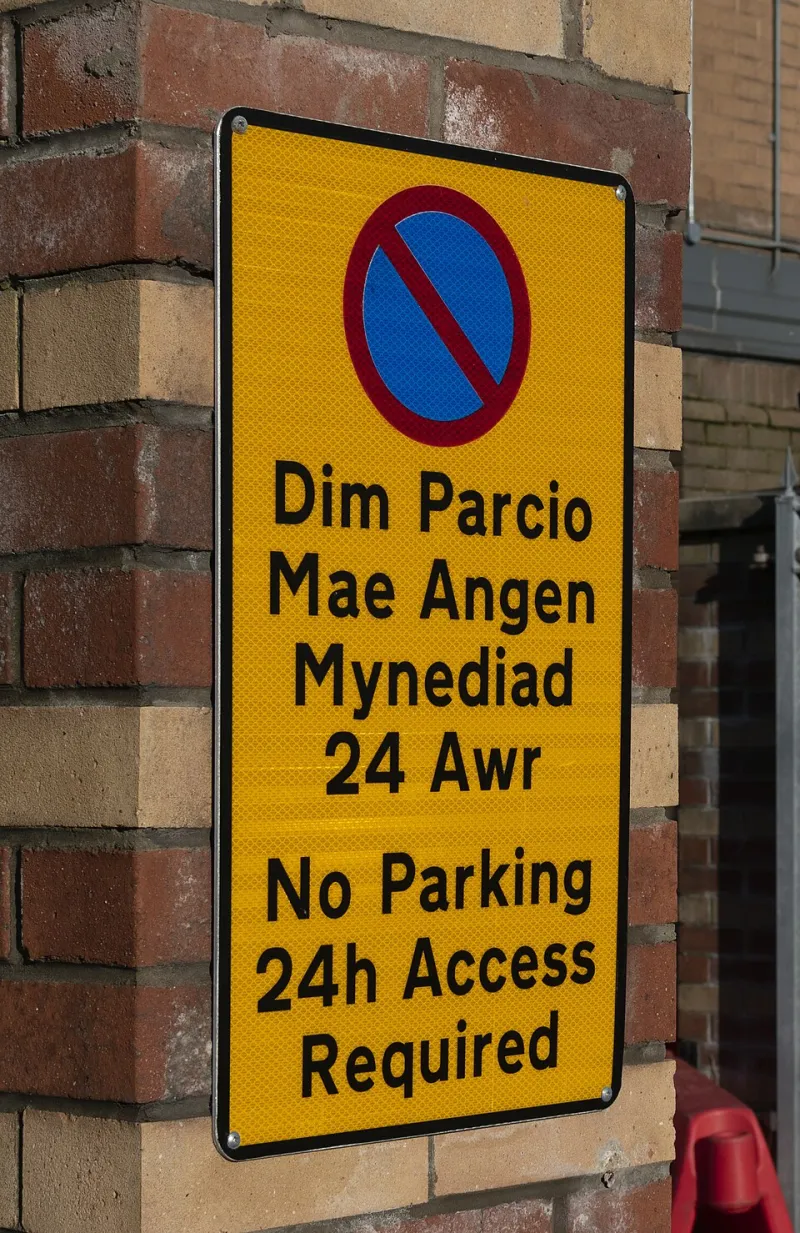
Photo: Dominic Nelson, CC BY-SA 4.0, via Wikimedia Commons
One product, four contexts
Software teams often talk about the UK as a single market. Commercially it is. Operationally it is not. England, Scotland, Wales and Northern Ireland share a language for most business purposes, a currency and a broadly familiar digital landscape, but they differ in law, public services, language expectations, address conventions and calendar details. A product that treats England as the default will eventually meet a user in Cardiff, Glasgow or Belfast and discover the gap.
The opposite mistake is just as common. Teams overreact, build four separate variants and create a maintenance burden that no small product team can sustain. The practical answer is to decide which differences change outcomes and therefore deserve product logic, and which can be handled through content, configuration or a help-centre article.
Start with a difference matrix
Before designing screens, list the areas where local variation could affect a user. Language, legal jurisdiction, tax, address formats, dates, bank holidays, public-sector requirements, health and education terminology, and document templates are the usual candidates. Then ask three questions for each: does getting this wrong cause harm, does it happen often, and does it vary by nation in a way the product must know?
A difference that causes legal consequence, financial error or exclusion should usually become product logic. A difference that is merely interesting can become content. A difference that affects a minority of users but carries high harm may still deserve a controlled feature rather than a footnote.
Welsh language is an accessibility requirement
Welsh is the clearest example of a local difference that should not be reduced to a translation toggle. For public bodies in Wales, Welsh language standards create obligations around service delivery and the active offer of Welsh-language services. For private companies, customer expectation and brand commitment may be just as important. A Welsh-speaking user should not have to hunt for a language switch or accept a machine-translated form at a critical moment.
Bilingual interfaces affect layout, content and testing. Welsh text often expands; diacritics must be supported in input, search and sorting; headings and labels need space. The language attribute should be set correctly so screen readers pronounce content properly, and mixed-language pages should mark the language of each part. Forms should accept Welsh characters without corrupting them. Address data should allow bilingual place names where appropriate. Content governance matters too: who writes the Welsh copy, who reviews it, how are updates synchronised and what happens when a translation is missing?
This is accessibility work, not decoration. A language preference that persists, a complete Welsh journey and a clear fallback policy are more valuable than a flag icon in the header.
Legal variation deserves respect, not guesswork
Scotland has its own legal system, property and tenancy arrangements, licensing, education and health structures. Some tax and benefit rules differ. Northern Ireland has its own administrative context, including address conventions and public-service structures. England and Wales often share law, but not always. A product that handles contracts, employment, housing, payments or regulated advice needs specialist input rather than assumptions.
The key is scope. A simple booking tool may only need to know about bank holidays and address formats. A payroll product must understand tax codes and jurisdiction. A property platform must understand tenancy law. Do not build localisation for its own sake; build it where the domain demands it. Record the legal basis for each rule and review it when regulations change.
Addresses, dates and names
UK addresses are not a single format. They may use a house number or a house name, a street, a locality, a town, a postcode and sometimes a county. Northern Ireland postcodes begin with BT. Scottish addresses may include localities that do not appear in English datasets. A form that forces every address into one rigid pattern will create bad data and frustrated users.
Dates should use day-month-year order and clear month names where ambiguity could cause error. Store timestamps in UTC and display them in UK local time, handling the clocks change explicitly. Bank holidays differ between England and Wales, Scotland and Northern Ireland; where they affect deadlines or opening hours, use a maintained calendar rather than a hard-coded list. Names need similar care: apostrophes, hyphens, prefixes and non-English characters should survive validation and sorting.
Govern content, not just code
Many local differences are content problems. A help article can explain a Scottish bank holiday, a Welsh-language service request or a Northern Ireland address quirk. But content needs ownership. Who updates it when the law changes? Is it translated? Is it linked from the right journey? Is it written in plain English and Welsh where required?
The product should expose local context without asking users to declare it repeatedly. Where possible, infer from address or organisation profile, but always allow correction. A user in Cardiff should not have to prove they are in Wales to see a Welsh option; they should be able to choose it.
Avoid the four-products trap
A shared core with a localisation layer is usually more sustainable than four forks. Configuration, content management, feature flags and jurisdiction-aware rules can handle most variation. A test matrix should include at least one journey per nation, bilingual content checks and address edge cases. 'England default' is not a neutral choice; it is a design decision that will fail someone.
The UK is small enough to serve with one product and diverse enough to require care. The goal is not to build four products. It is to build one product that knows where it is and behaves accordingly.